Last updated: September 22, 2026
Strength work when standing is limited
Educational Disclaimer: This is for learning only. It is not medical advice. Always talk to your doctor before you start any exercise program.
Tyler Pahl, DPT — Educational Content
Introduction
In home health settings, physical therapists often work with people for whom full standing strength work is not the safest or most practical starting point. Standing may feel tiring, unsteady, or simply more demanding than a person can manage after illness or a period of reduced activity.
This article offers an educational look at the general reasoning many home health PTs use in those situations. It is not a program or a set of instructions. The goal is to help older adults and caregivers understand the kind of thinking that typically shapes these decisions.
Common situations where standing work is limited
A few situations come up often when standing strength work needs to be limited or approached more carefully.
Fatigue or low endurance is one of the most common. After a period of reduced activity, even a few minutes of upright effort can feel demanding. Pushing through heavy fatigue is not typically the goal. Tired muscles and reduced focus can make movement less safe.
Balance confidence or fall-risk concerns also influence decisions. Some people feel genuinely unsteady. Others feel capable but anxious about falling. Both matter. Physical therapists commonly take that confidence seriously, because hesitation can change how a person moves.
Pain with standing or weight-bearing often shapes the starting point. When standing is uncomfortable, it is common to look for positions that allow effort without provoking that discomfort.
Recent illness, hospitalization, or deconditioning frequently plays a role. Time spent in bed or with limited movement can cost strength and stamina quickly. The return to standing activity is typically approached gradually.
Home environment constraints matter too. Narrow hallways, soft flooring, or limited clear space can all play a part. So can a lack of sturdy surfaces to hold. Each one shapes what is realistic and safe in a particular home.
Key factors home health PTs typically evaluate
Before deciding where to begin, home health PTs commonly consider several practical factors.
They look at a person's current tolerance for upright activity. This includes how long standing feels comfortable and stable, and how the body responds afterward. They also consider the support available in the home, such as a stable chair, a counter, a sturdy rail, or another person who is present.
Overall goals typically guide the conversation. For many people, those goals center on safety, daily function, and gradual progress rather than rapid change. PTs also pay close attention to how the person actually moves at home, such as rising from a chair, getting to the bathroom, or moving between rooms. Real-world movement often tells a fuller story than any single test.
Approaches often used before full standing work
When full standing strength work is not the right starting point, several approaches are commonly used. These are described in general terms, not as a routine to follow.
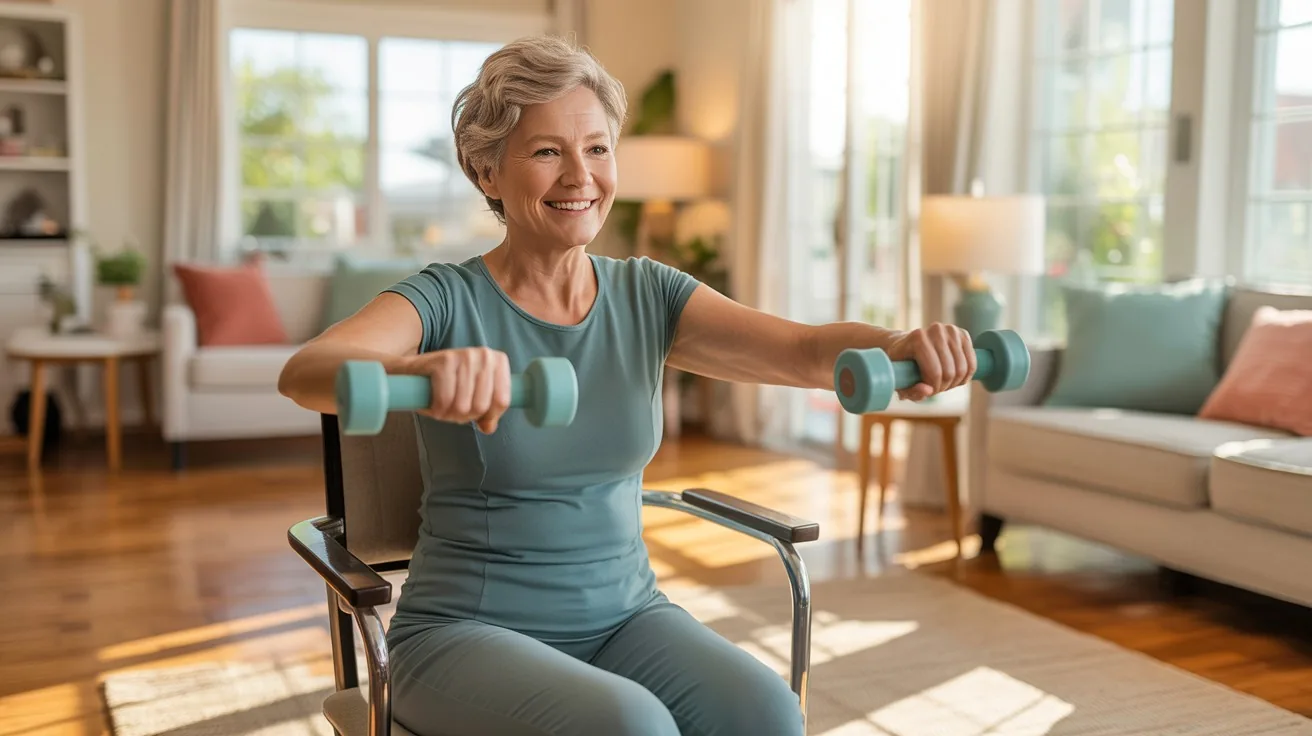
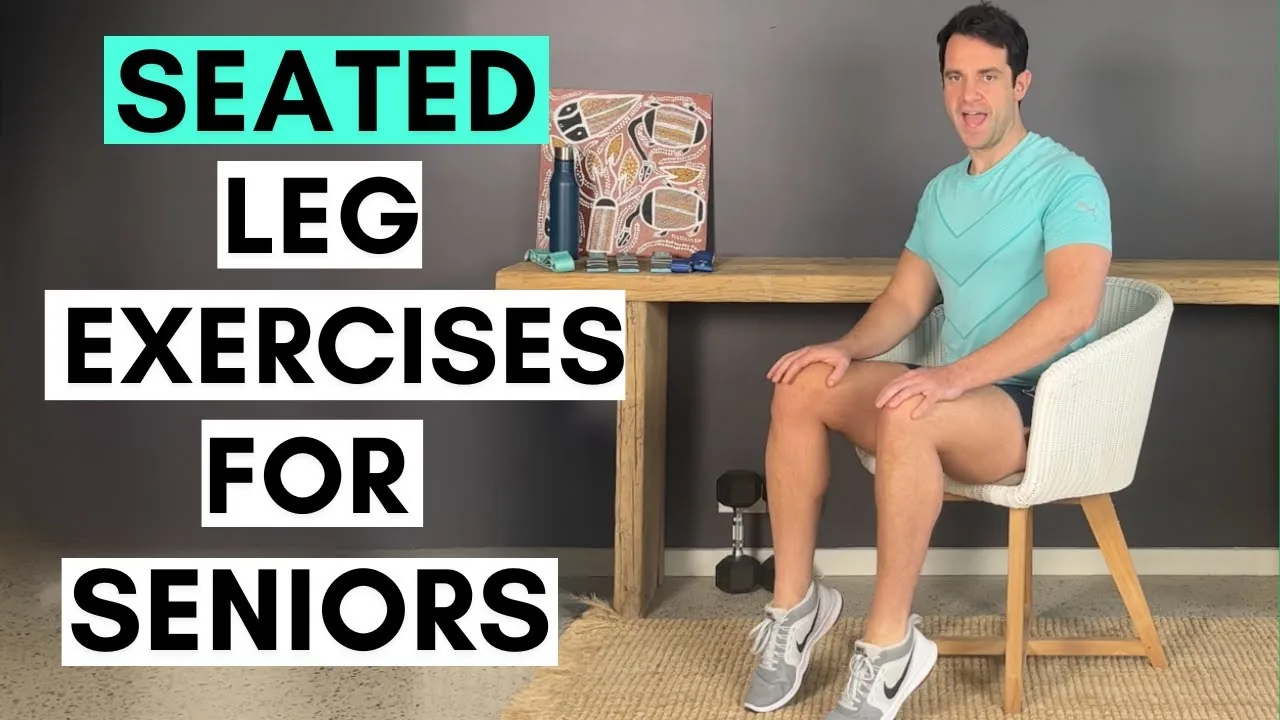
Seated strength options are frequently chosen because they allow work on the legs, hips, and trunk while a person remains stable and supported. Sitting reduces some of the balance demand, which can make effort feel more manageable.
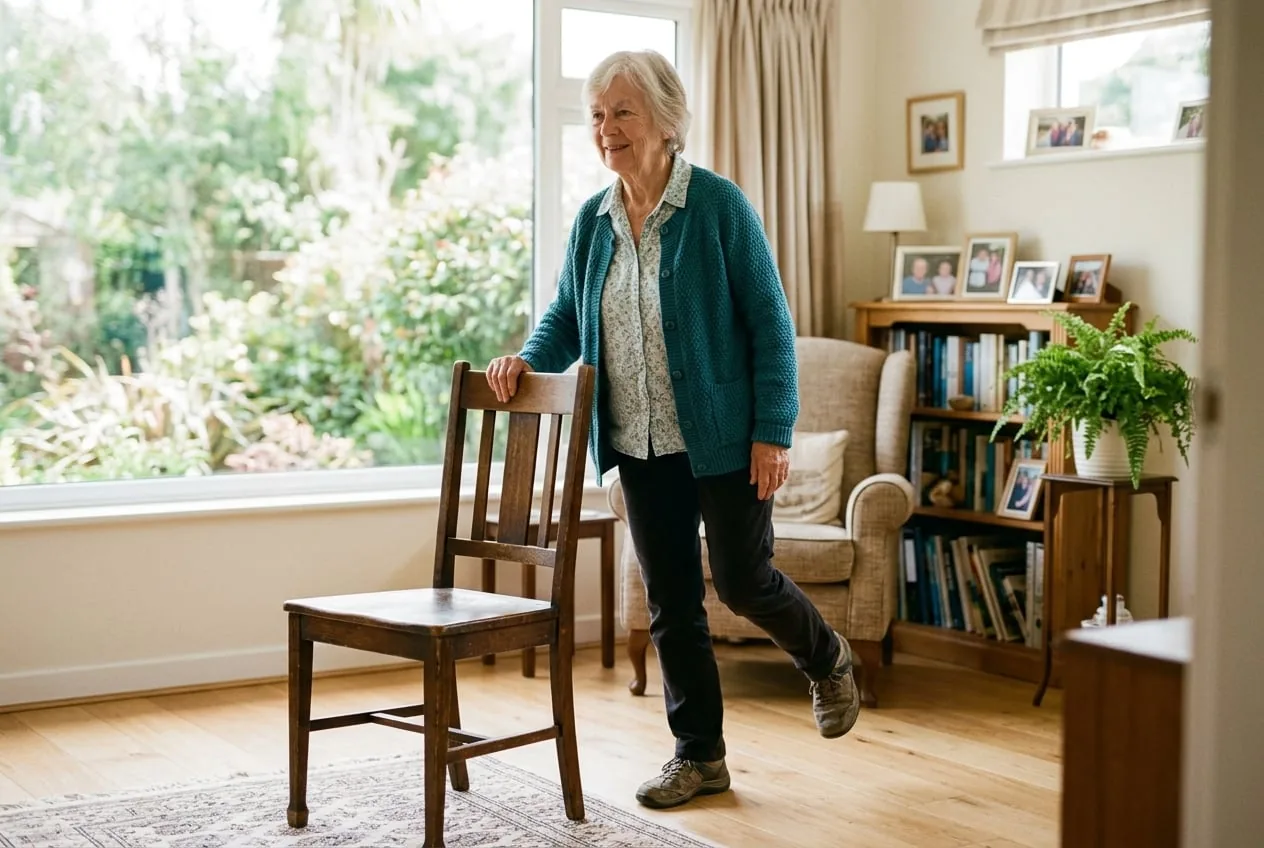
Supported standing often appears once a person is ready for a bit more challenge. This may involve standing while holding a stable surface, so the legs do the work while the hands provide reassurance and safety.
Partial range or reduced-load variations are often used to introduce effort more gradually. A smaller or lighter version of a movement can let the body adapt at a comfortable pace.
Movements that prepare for daily tasks are frequently emphasized as well. Practicing the pieces of an everyday action, such as rising from a chair, can connect strength work to the things a person wants to do at home.
How progression is typically considered
Progression is usually gradual and individualized rather than a fixed schedule. In general terms, many PTs consider adding demand only once a person's tolerance improves and movement feels stable and comfortable.
The common principle is consistency and small, steady change rather than large jumps. The right pace depends heavily on the individual, their health history, and their goals. That is why specific protocols cannot, and should not, be generalized in an educational article.
When professional evaluation is especially important
There are times when professional guidance is essential, and an educational article cannot replace it. Consulting a licensed provider is typically wise before beginning or changing any strength activity. That is especially true after illness, hospitalization, surgery, or a fall.
It is also generally recommended to seek prompt professional input for certain signs. These include new or worsening pain, chest pain or pressure, shortness of breath, dizziness or lightheadedness, fainting, sudden weakness, or a noticeable change in balance or the ability to move safely. These warrant a conversation with a qualified healthcare professional rather than an attempt to work through them alone. The intent is sensible caution, not alarm.
Closing
The purpose of this article is educational: to explain the practical thinking many home health PTs bring to strength work when standing is limited. Understanding this reasoning can help older adults and caregivers feel more informed and more comfortable working with a licensed professional.
For related educational reading, see our articles on seated exercises commonly used in physical therapy and on daily movement habits.
This content is for educational purposes only and does not constitute medical advice, diagnosis, treatment, or individualized physical therapy. It does not create a therapist–patient relationship. Always consult your healthcare provider before starting or changing any exercise or activity.
Next step
Print a free home-safety list and movement tracker so the exercises and the house support each other.
Dr. Tyler A. Pahl, DPT, Doctor of Physical Therapy obtained from Briar Cliff University with four years of Medicare home health clinical experience. He also holds an Honor's Bachelor of Science degree in Medical Biology with a minor in Psychology and Interdisciplinary Sciences from the University of South Dakota.
This content is for educational purposes only. Always consult with your healthcare provider before starting or changing any exercise program.